
Palm Springs “Tallest Building” vs. “The Views
 Craige Campbell January 27, 2026
The Nexus Hotel Battle
Referred to as the Palm Springs Hotel and Residences, the Nexus Hotel is a new, approved 9-story development featuring 125 hotel rooms and 132 branded residences. As it is a new project, finalized photos are limited to renderings and development plans.
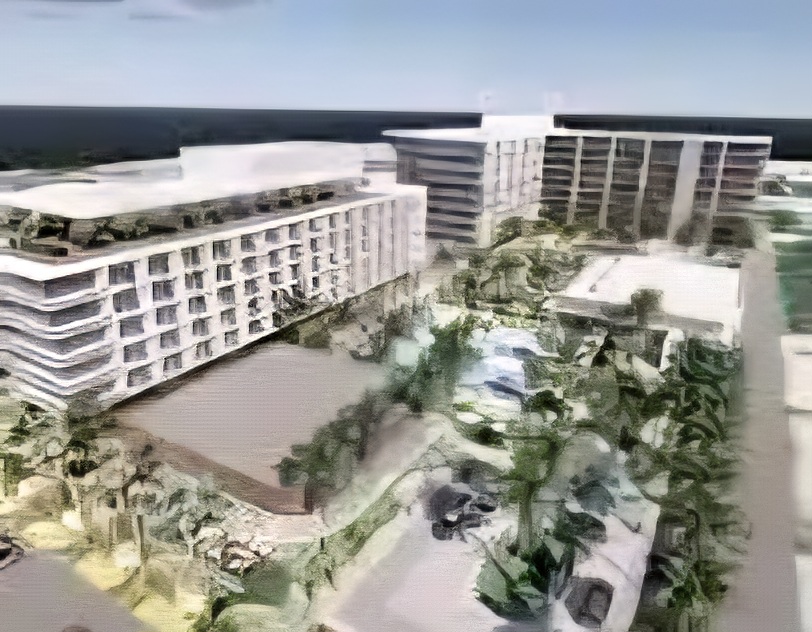
A battle is brewing in Palm Springs, pitting the desire for economic growth against the preservation of its iconic low-profile skyline.
The Nexus Hotel and Residential Project, a mixed-use development that would introduce the city’s tallest building, faces a new legal challenge even after receiving unanimous City Council approval.
Project Overview

The project, developed by Nexus Development Corporation, is slated for a currently vacant parking lot at 847 East Andreas Road, near the Palm Springs Convention Center. The plan aims to boost the city’s hotel capacity and attract larger conventions.
Key components of the development include:
- A seven-story hotel with 125 rooms.
- A nine-story residential building featuring 132 condominium units, reaching a height of nearly 100 feet.
- Amenities: Plans call for a standalone restaurant, multiple bars, pools, fitness centers, an owner’s lounge, and a private rooftop bar/club.
The Heart of the Controversy: Height and Views
The proposed nine-story tower, which would become the tallest structure in Palm Springs, has ignited significant opposition from nearby residents and preservation advocates. Critics argue that the “skyscraper” will obstruct cherished mountain views and disrupt the city’s unique mid-century modern aesthetic, setting a potentially unwanted precedent for future development.
City officials, however, defend the project, emphasizing its compliance with existing zoning rules (which allow buildings up to 100 feet in that specific area) and the expected economic benefits, including tax revenues and job creation, which they argue outweigh the aesthetic concerns.
The Latest Hurdle: A Legal Duel Over Dust
Following the City Council’s unanimous decision in November 2025 to uphold the project’s approval, effectively rejecting an appeal from residents, a new obstacle has emerged.
In January 2026, an environmental advocacy group named Supporters Alliance for Environmental Responsibility (SAFER) filed a lawsuit to halt the project. This challenge is focused not on height, but on public health and environmental impact. SAFER argues that the extensive excavation required for construction in the desert soil could kick up hazardous Valley Fever spores and silica dust, demanding a more rigorous environmental impact report than the one previously deemed adequate by the city.
What’s Next?
The project is currently in a state of limbo. While the City Council has given its final administrative green light, pending final review by the Architectural Review Committee, the lawsuit is expected to delay the start of construction.
The developer’s initial timeline aimed for building permits by early 2026 and construction starting shortly after, with an opening date in late 2027. The legal challenge introduces uncertainty to this schedule as the case heads to court. The outcome of the “dust duel” will ultimately determine if, and when, the tallest buildings in Palm Springs rise near the convention center.
Watch Now Live – Presented by Coachella Valley. Today we Spotlight the Desert Beer Co here in Palm Desert, California.
We will be tasting their newest, most popular and specialty beers and seltzers live today. Over 21 craftbeers, food and live music all right here in the Brewery.
Our Host for Today’s Tasting, Devon Sanchez is the Owner and Brewmeister of this local and family owned Brewery.
Conveniently located right off I10, exit Washington St and turn west Country Club Drive! They brew everything right here making this tasting room a fun and unique spot.

Downtown Palm Springs Walkabout this Sunday Morning. Sunshine with a High of 73F by 2pm. Host Craige Campbell with Coachellavalley.com!

CoachellaValley.com Aerial Drone Footage – La Quinta Cove – Coachella Valley, California – produced by SwingPointMedia.tv – Drone Eye’s View of this Breathtaking Landscape and the Rugged Santa Rosa Mountains of the La Quinta Cove area

Watch Now Live- Happening Tonight – Palm Springs VillageFest, the City’s wildly popular street fair which prior to the COVID-19 pandemic, was held every Thursday night in downtown, will return on Thursday, July 1. Coachella Valley!
With COVID-19 cases significantly down, the City Council approved re-opening VillageFest at their last night meeting, with a smaller footprint and safety protocols in place. The street fair is expected to expand to its original length in the coming months. During the summer, VillageFest hours of operation will be 7 p.m. – 10 p.m.
[]

Related Posts

Watch Now Live – Presented by Coachella Valley. Today we Spotlight the Desert Beer Co here in Palm Desert, California.
We will be tasting their newest, most popular and specialty beers and seltzers live today. Over 21 craftbeers, food and live music all right here in the Brewery.
Our Host for Today’s Tasting, Devon Sanchez is the Owner and Brewmeister of this local and family owned Brewery.
Conveniently located right off I10, exit Washington St and turn west Country Club Drive! They brew everything right here making this tasting room a fun and unique spot.
Downtown Palm Springs Walkabout this Sunday Morning. Sunshine with a High of 73F by 2pm. Host Craige Campbell with Coachellavalley.com!
CoachellaValley.com Aerial Drone Footage – La Quinta Cove – Coachella Valley, California – produced by SwingPointMedia.tv – Drone Eye’s View of this Breathtaking Landscape and the Rugged Santa Rosa Mountains of the La Quinta Cove area
Watch Now Live- Happening Tonight – Palm Springs VillageFest, the City’s wildly popular street fair which prior to the COVID-19 pandemic, was held every Thursday night in downtown, will return on Thursday, July 1. Coachella Valley!
With COVID-19 cases significantly down, the City Council approved re-opening VillageFest at their last night meeting, with a smaller footprint and safety protocols in place. The street fair is expected to expand to its original length in the coming months. During the summer, VillageFest hours of operation will be 7 p.m. – 10 p.m.
[]Search
Popular Posts
















La Fe Wine Bar Has Become a Landmark in the Desert Bar/Restaurant Scene On El Paseo Drive in the Heart of Palm Desert, Ca Story…
Happening Now – Rancho Mirage City Council Unanimously Awards Historic Designation to the only Neon Sign in Rancho Mirage…. To coincide with the…

PALM SPRINGS, CA – On Tuesday, Apr. 4, 2023 the Agua Caliente Band of Cahuilla Indians will open The Spa at Séc-he at the Agua Caliente Cultural Plaza. Owned by…

FIREBIRDS ANNOUNCE 2023-24 HOME OPENER. Coachella Valley Firebirds to Host Bakersfield Condors at Acrisure Arena on October 13th! PALM DESERT, CA (July 11, 2023) –…

Day Two Review by Lisa Lynn Morgan / CoachellaValley.com Photo by Brandon Ray Henderson JUDAS PRIEST was a last minute add to the Power Trip…

Photo Courtesy of Goldenvoice From Lisa Lynn Morgan / CoachellaValley.com POWER TRIP – A TRIP TO THE PAST NAVIGATING ENTRY Getting into the festival had…
The tourism industry generated $8.7 billion in total economic impact in 2022 to Greater Palm Springs, surpassing tourism’s economic impact in 2019 by 16% and in 2021…

6 bands across 3 days of hard rock at the Empire Polo Club. Tickets Still Available It may be the biggest North American rock festival…

By Lisa Lynn Morgan / JoshuaTreeVoice.com “The Desert is Freedom, Music Is Power & Community Is Crucial” The vision of a handful of men pushing…